
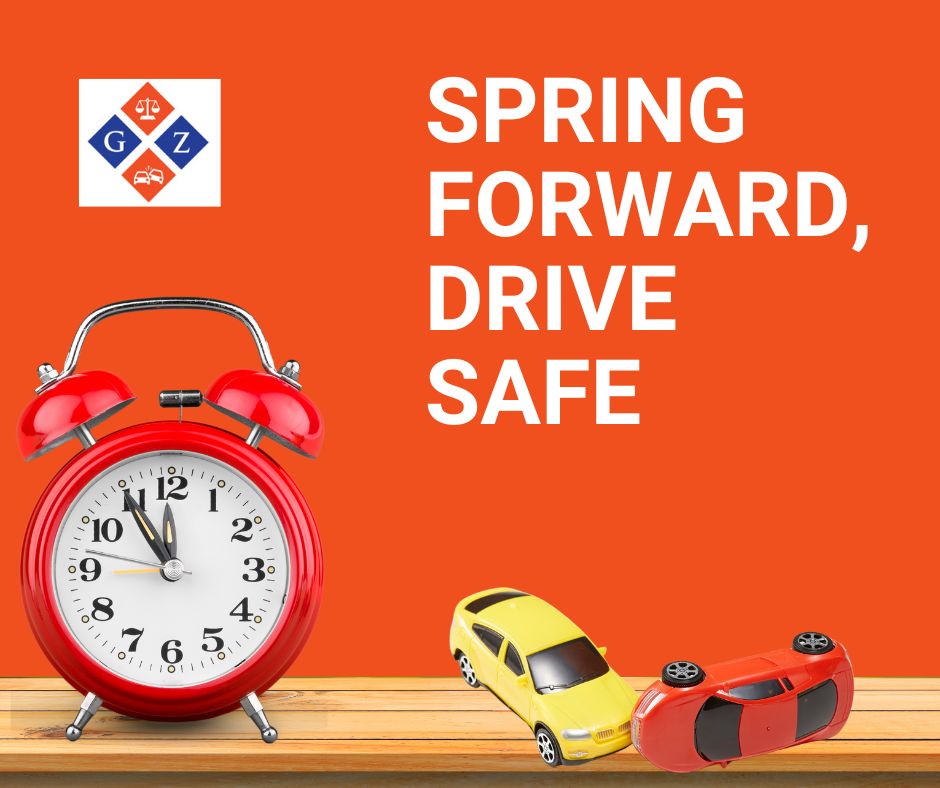
When the clocks spring forward each March, most of us groan at the thought of losing an hour of sleep. But there’s more than just crankiness and extra coffee to worry about; Daylight Saving Time has been linked to a noticeable spike in traffic accidents. That single hour may not seem like much, but it can throw off our internal clocks in surprising ways.
Let’s take a closer look at how Daylight Saving Time affects driver alertness, increases accident rates, and what you can do to stay safe behind the wheel.
The Sleep Deprivation You Didn’t Sign Up For
You might be thinking, “It’s just an hour, how bad can it be?” Turns out, it’s bad enough to cause measurable changes in how alert people feel and perform on the road.
The Monday after the spring time change has been associated with a higher incidence of drowsy driving. Why? Because the abrupt shift in sleep schedule disrupts our circadian rhythm, the internal body clock that tells us when to sleep and when to wake.
Even a small sleep debt can reduce reaction time, impair judgment, and increase the likelihood of falling asleep at the wheel. Combine that with early morning commutes (often in darkness post-DST), and you’ve got a recipe for disaster.
By the Numbers: Crash Rates and Daylight Saving
The stats back it up. Multiple studies have shown an increase in motor vehicle accidents immediately following the switch to Daylight Saving Time.
A 2020 study published in Current Biology found a 6% increase in fatal car crashes the week after the spring DST transition. That’s roughly 28 additional deaths in the U.S. annually. Even non-fatal crashes such as rear-end collisions, lane drifts, and stop-sign run-throughs see a bump during this period.
Why does this happen? Two main reasons:
- Drowsiness: Sleep-deprived drivers are more likely to make mistakes or doze off.
- Reduced Morning Visibility: With sunrise pushed an hour later, more commuters are driving in low-light conditions, which can reduce visibility and increase crash risk, especially for pedestrians and cyclists.
Who’s Most at Risk?
While anyone can feel groggy after a time change, some groups are particularly vulnerable:
- Teen drivers: Already at a disadvantage due to later natural sleep cycles and less driving experience.
- Shift workers: Those who work irregular hours may struggle more with the time adjustment.
- Long commuters: Extended time on the road increases the odds of fatigue-related incidents.
- Early risers: If your commute starts before 7 a.m., you’re more likely to be driving in the dark during DST’s early days.
How to Stay Safe When We Spring Forward
The good news? With a bit of preparation and awareness, you can reduce your risk of a crash during Daylight Saving Time. Here are some practical tips:
1. Ease Into the Time Change
A few days before the clocks change, start going to bed 15–20 minutes earlier each night. Gradually shifting your sleep schedule can help your body adjust more smoothly.
2. Get Quality Sleep
Aim for 7–9 hours of rest the night before your Monday morning commute. Sleep isn’t optional—it’s your body’s best defense against poor decision-making and slow reflexes.
3. Drive Defensively
Assume other drivers are just as groggy as you feel. Keep a safe following distance, obey speed limits, and be extra cautious at intersections.
4. Check Your Lights
Make sure your headlights and brake lights are in good working order, especially if you’ll be driving before dawn. Visibility matters.
5. Watch for Pedestrians and Cyclists
With darker mornings, it’s harder to see people walking or biking. Slow down in residential areas and near schools.
6. Don’t Rely on Caffeine Alone
Sure, a cup of coffee helps. But caffeine is no substitute for actual rest. If you find yourself nodding off, pull over and take a short rest or switch drivers if possible.
It’s Not Just About You
Even if you feel wide awake, other drivers may not be. A little extra patience and attentiveness can go a long way in keeping everyone safe during the transition to Daylight Saving Time.
Remember: that one-hour time shift isn’t just an inconvenience, it’s a safety issue. Knowing how DST affects your driving and preparing accordingly is a simple way to put your safety (and the safety of others) first.
So as the clocks spring forward, stay sharp, stay rested, and, most importantly, stay safe out there.

Call Glassman and Zissimopulos and our team of dedicated attorneys today. (352) 505-4515 or Toll-Free at (844) 787-2543. When you call, you will speak directly with a lawyer. This is our commitment to you.